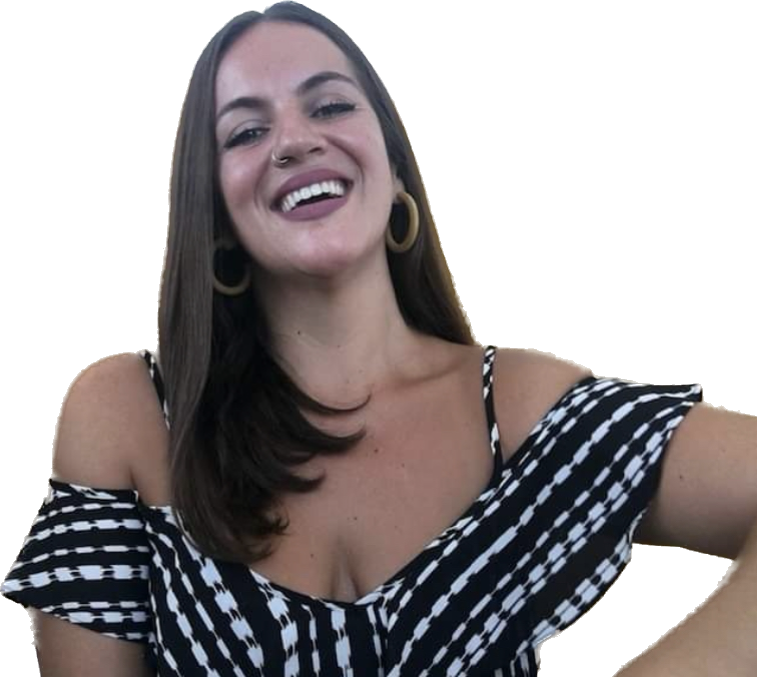
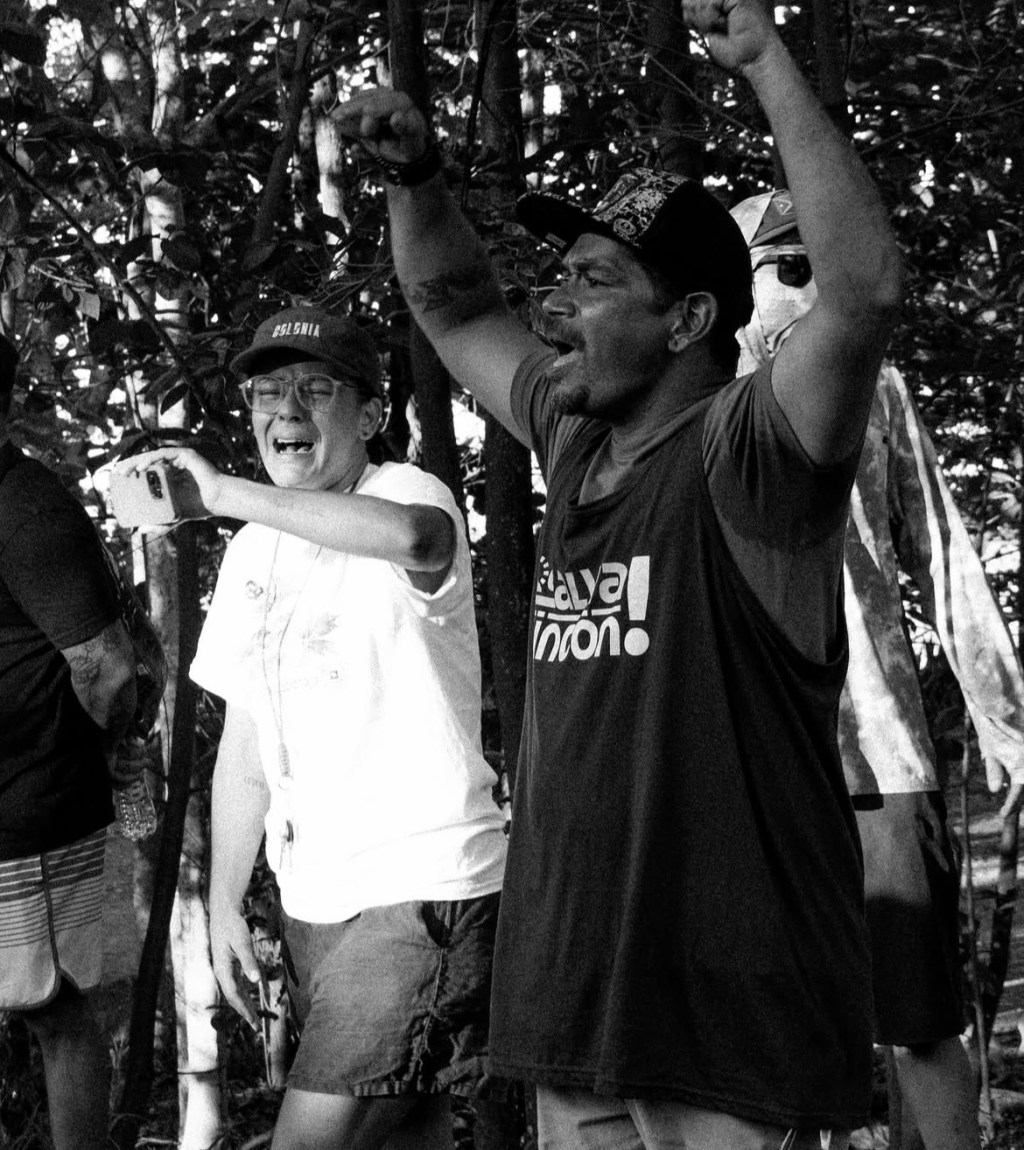
It is difficult to describe in words what we are a facing as a community in Boriké Puerto Rico, specifically along the West and East coasts of the island. Puerto Rico is not only the oldest colony in the world but also one of the most biodiverse. Recent development has caused increased deforestation and damage to our water supply. These images are the best depiction of what environmental devastation we are facing and a community fight to stop the construction of a sea wall that would not only destroy our waves but local economy but is also a threat to our way of life. The town of Rincón is not opposed to a bike path, but rather opposed to the construction of a 12 foot wall based on a land survey from the early 2000’s.
Since the early 2000’s the coast line has changed drastically. There is a popular slogan on the island that reads, “We want life, not ruins” and reveres to the crumbling buildings, sidewalks and highways across the island. I spent many years in concrete jungles throughout the Northeastern United States meeting folks from all over the world and in the riches of education where I could ask critical questions, make art, play music and have access to thousands of books written by people from all over the world. One lonely night at the 2nd level of an underground library at Harvard University, I felt as if I was in a cemetery where each book was a tombstone. Stories became hauntings and I began to feel uneasy about sharing my story in the context of painful memories versus life lived real time. I pivoted from journalism to non-fiction writing and began pieces together fragments of my lineage of timelines.
While in demonstration and in front of machine that ripped trees community members shielded with their bodies and have gotten to know over decades, I had to make a choice to not use my cell phone as a way to document life, but rather step into. I gave 5NP ear accupuncture in shock zones, I offered song through the megaphone and I carried my medicine drum hoping that violence we were face could transmute into something less devastating while horning the heartbeat of the earth and our people. After many years of organizing since high school for marriage equality, I found myself in my “Mami years” unable to camp for days because awaiting at home was my beloved cat and dog. I was learning real time what it was like to show up for community and stretch without breaking my connection to home and sanctuary.
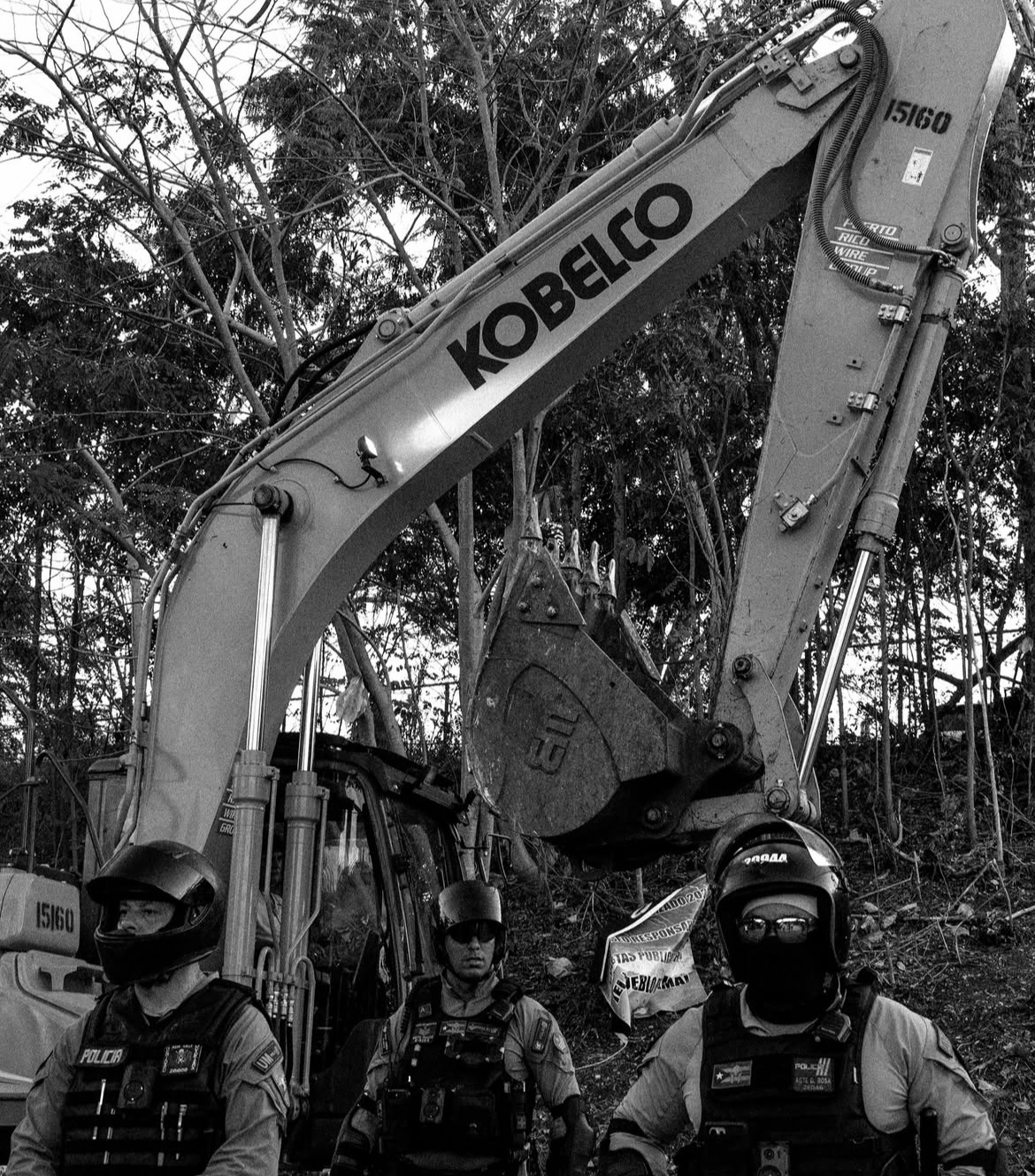
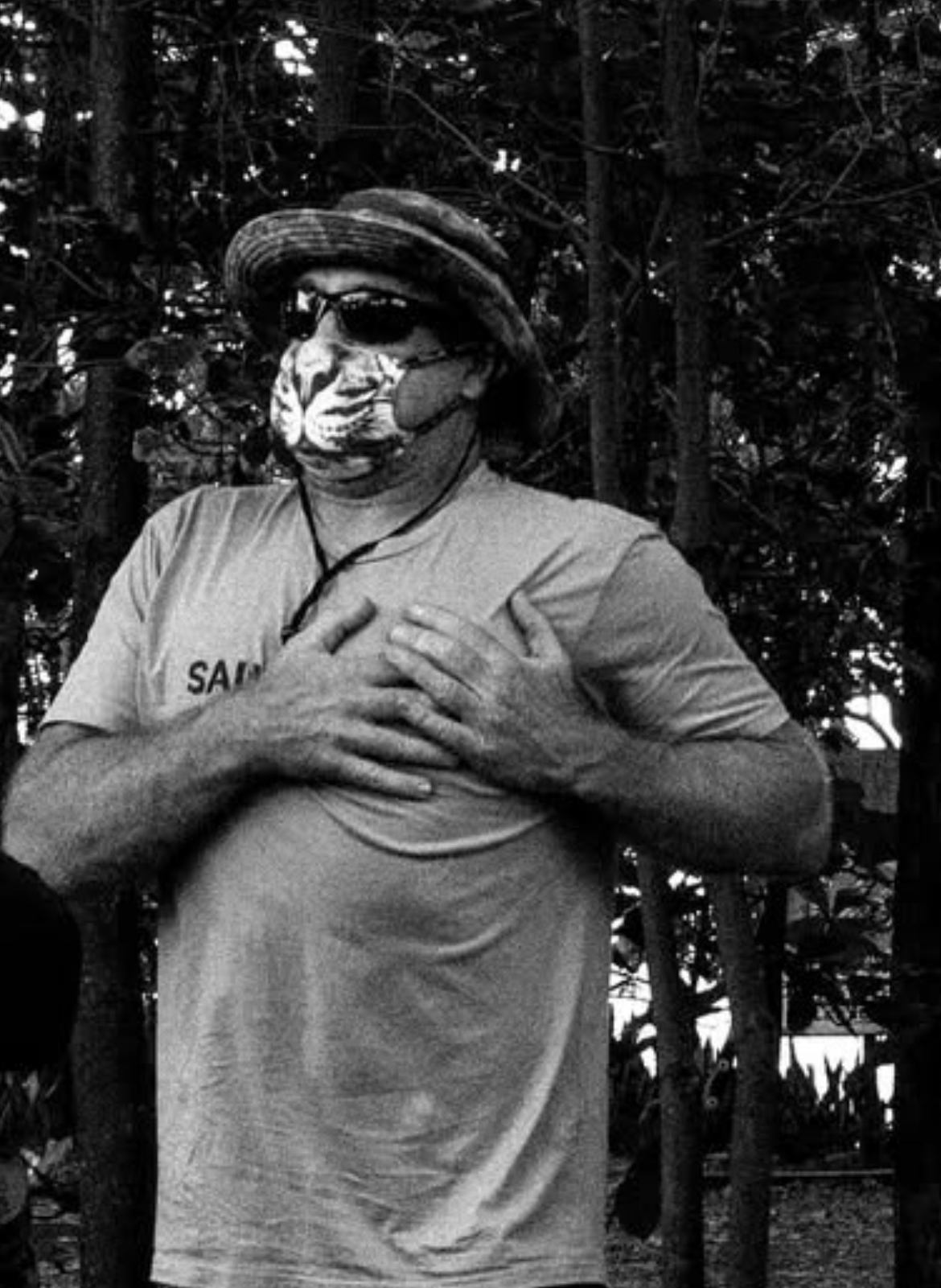
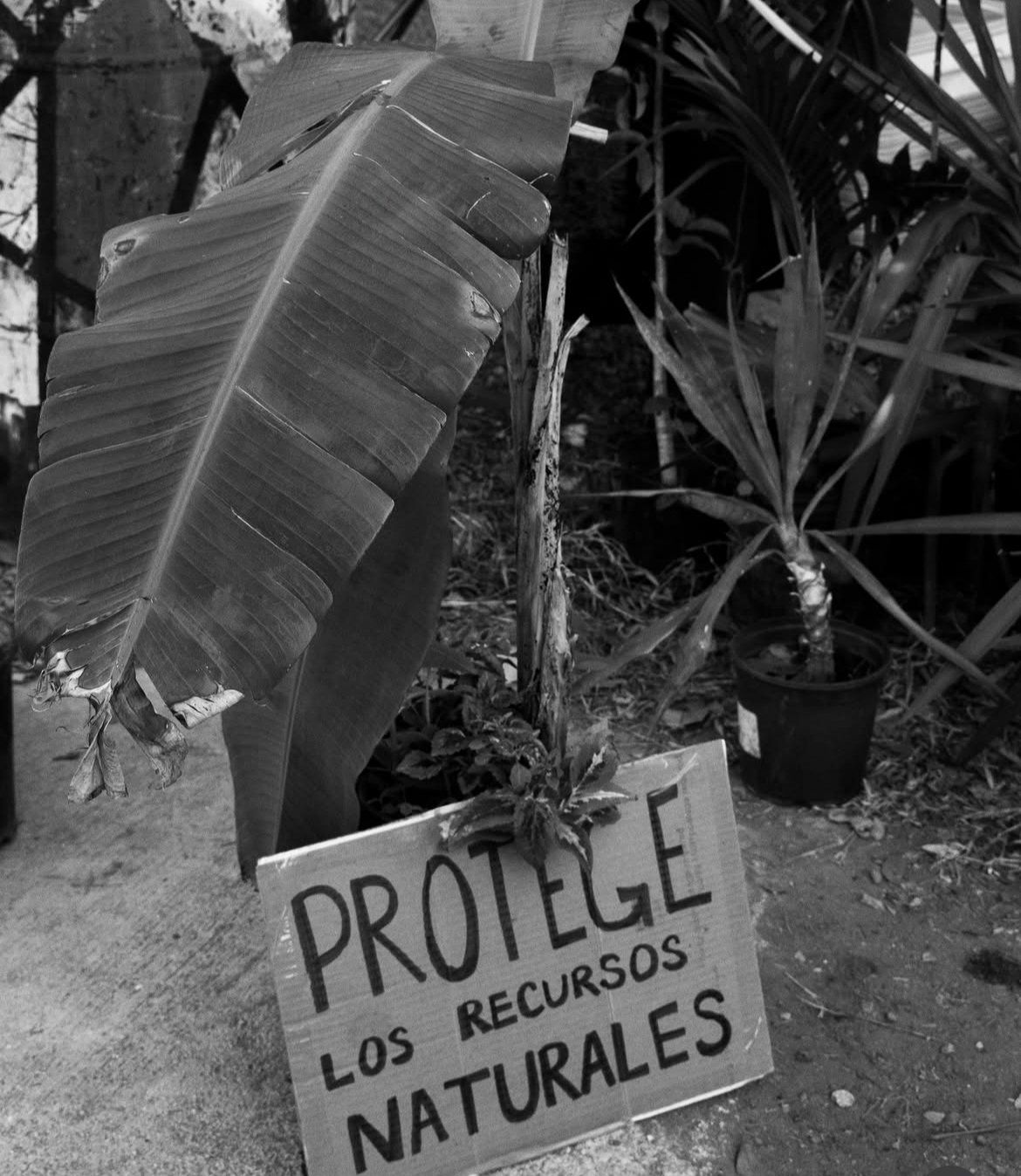

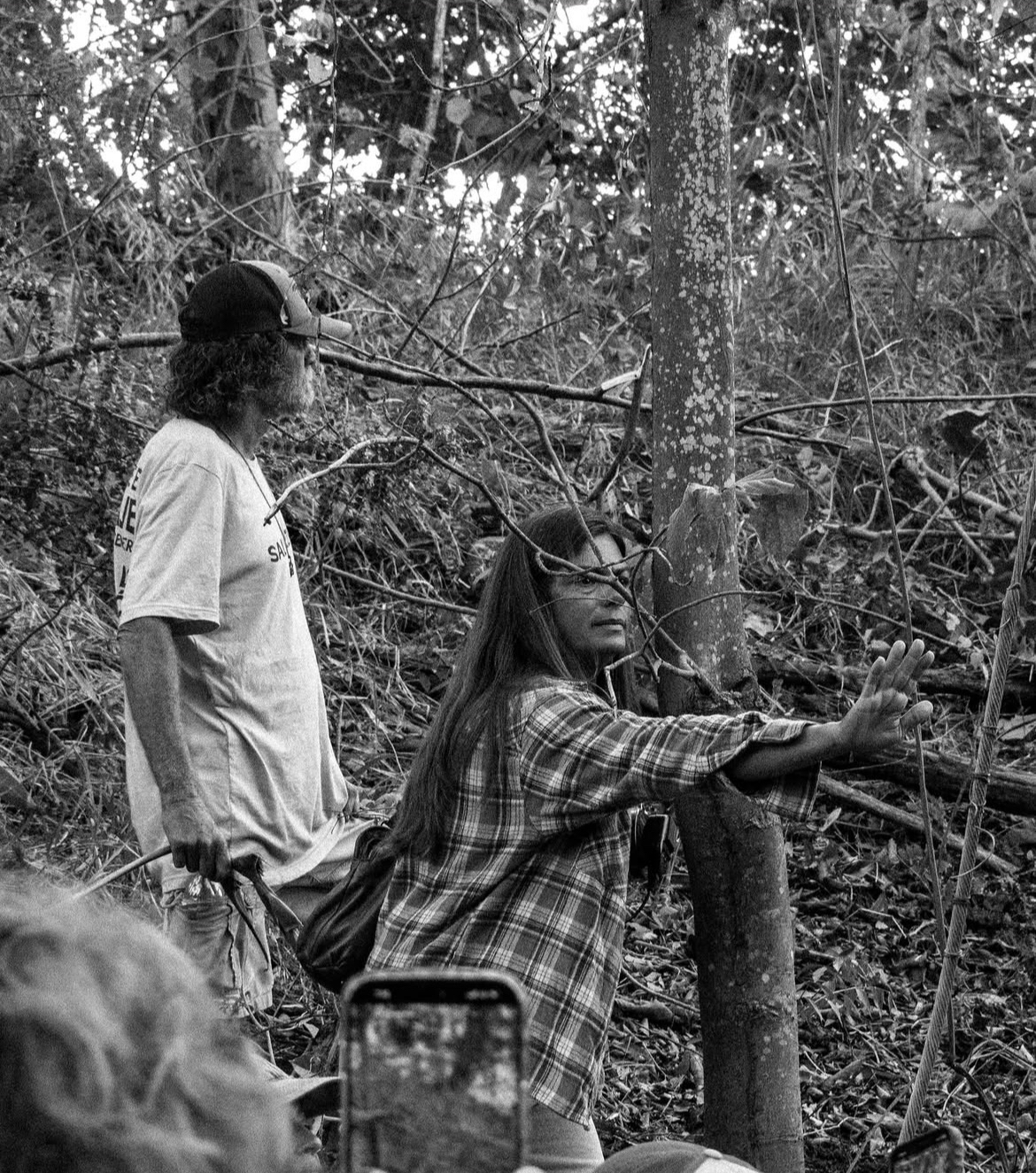
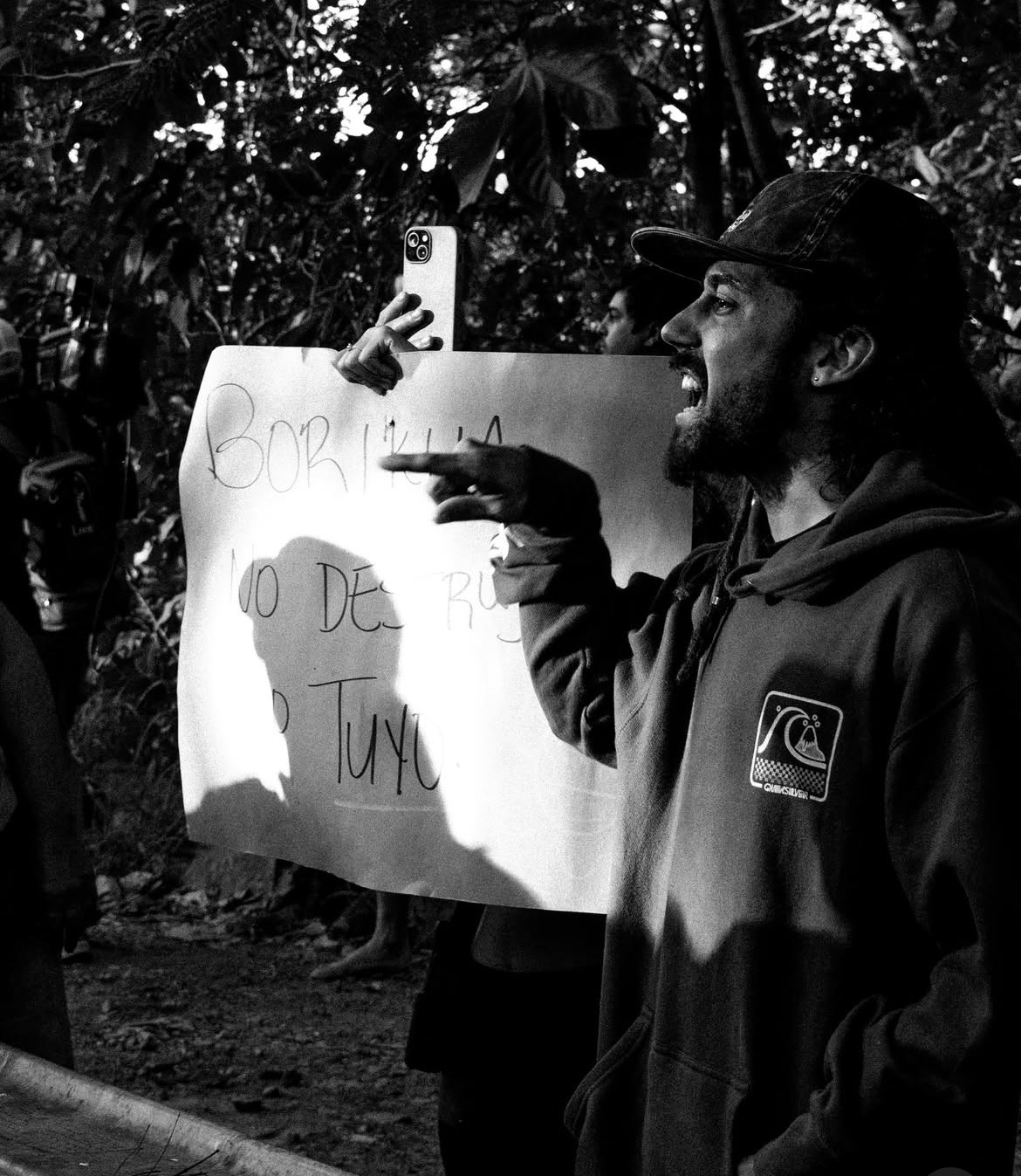
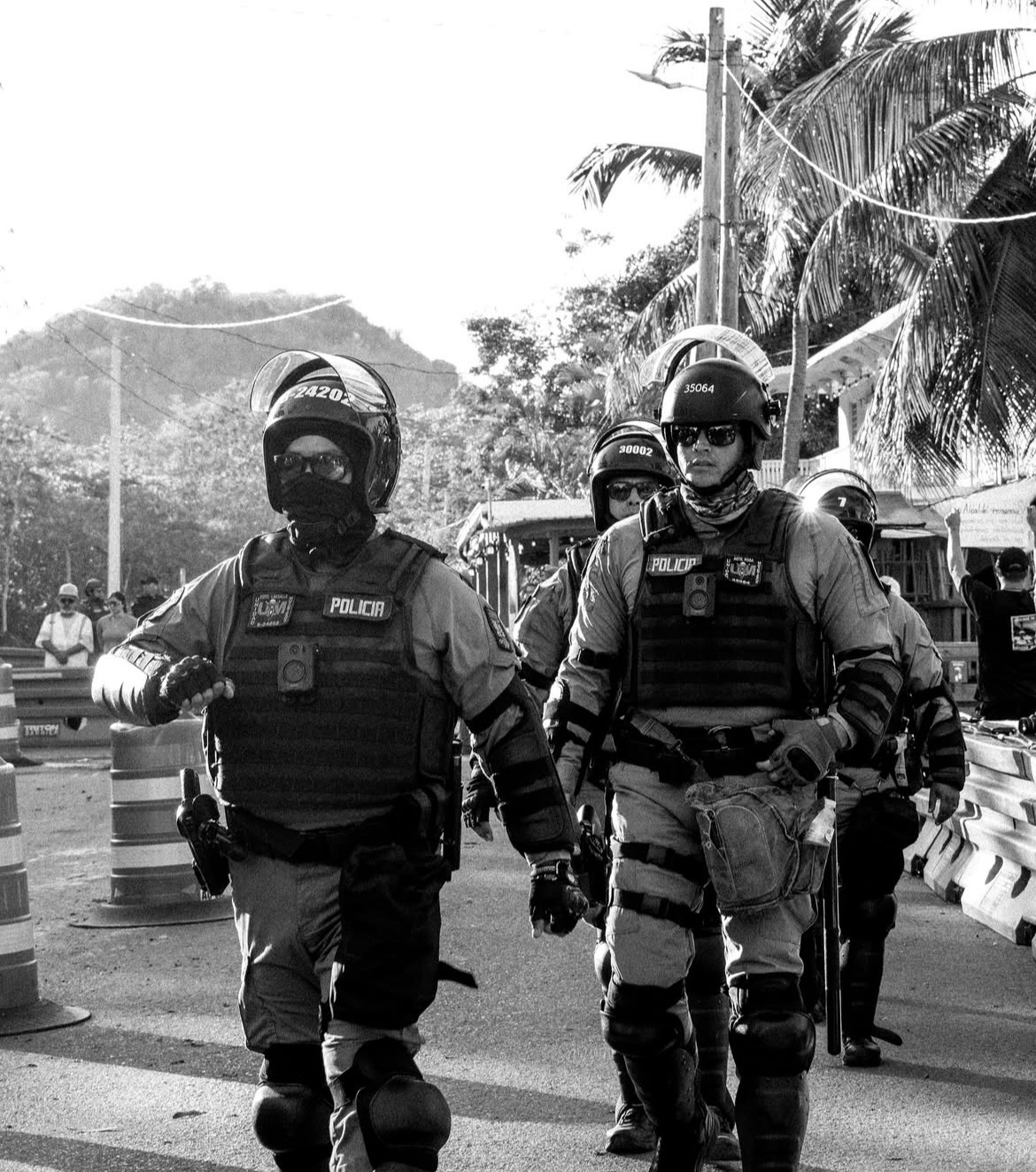
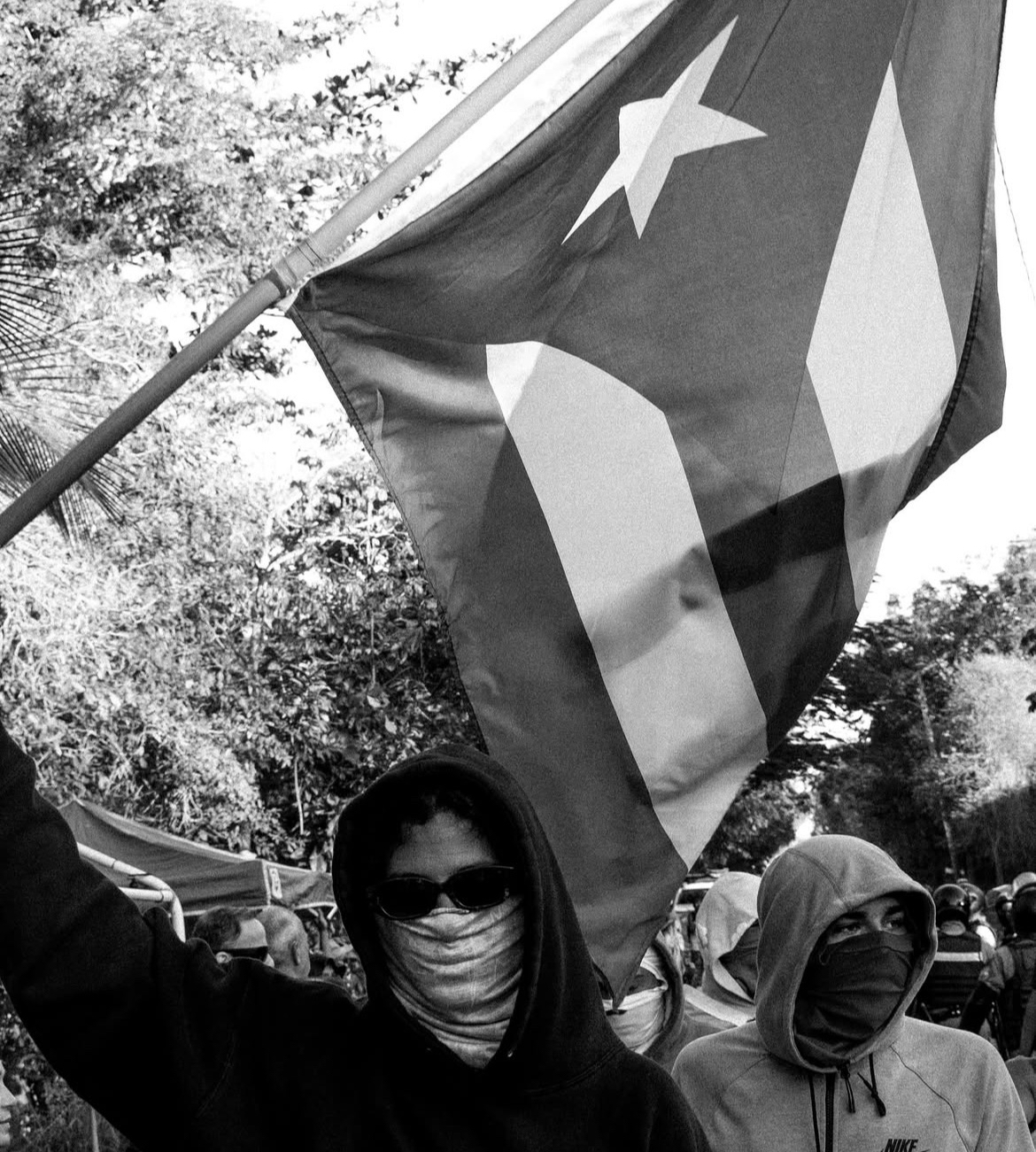
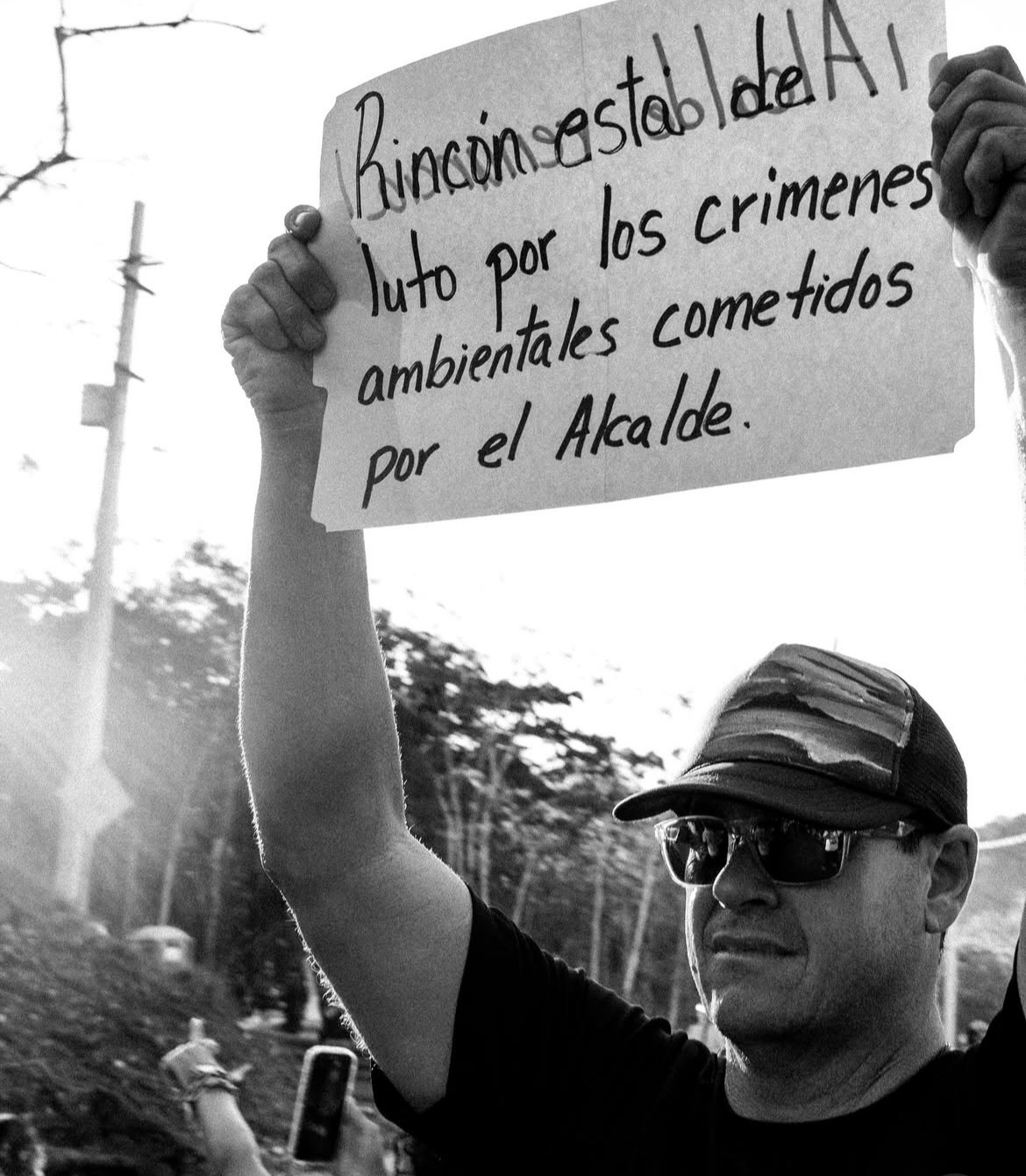
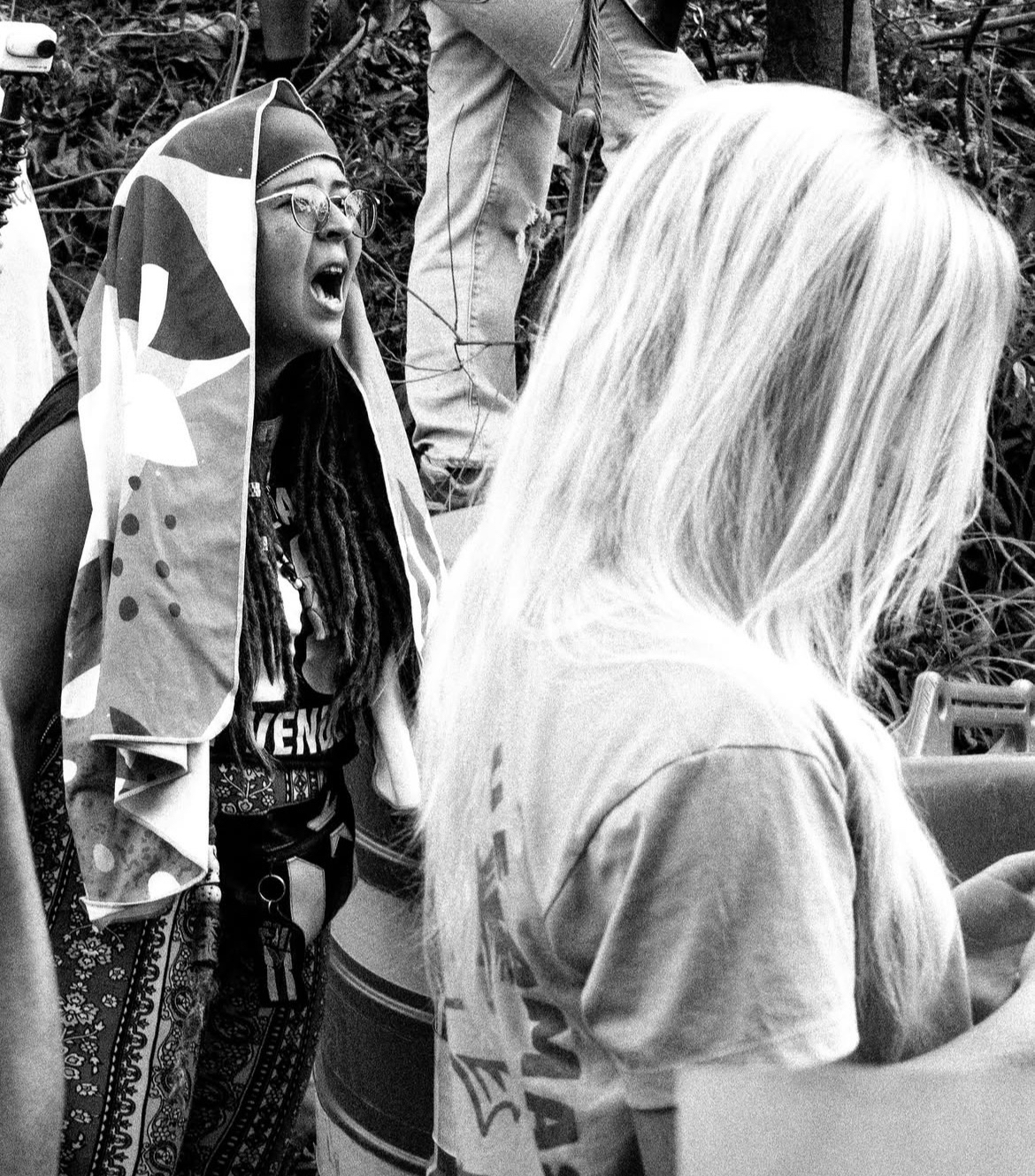
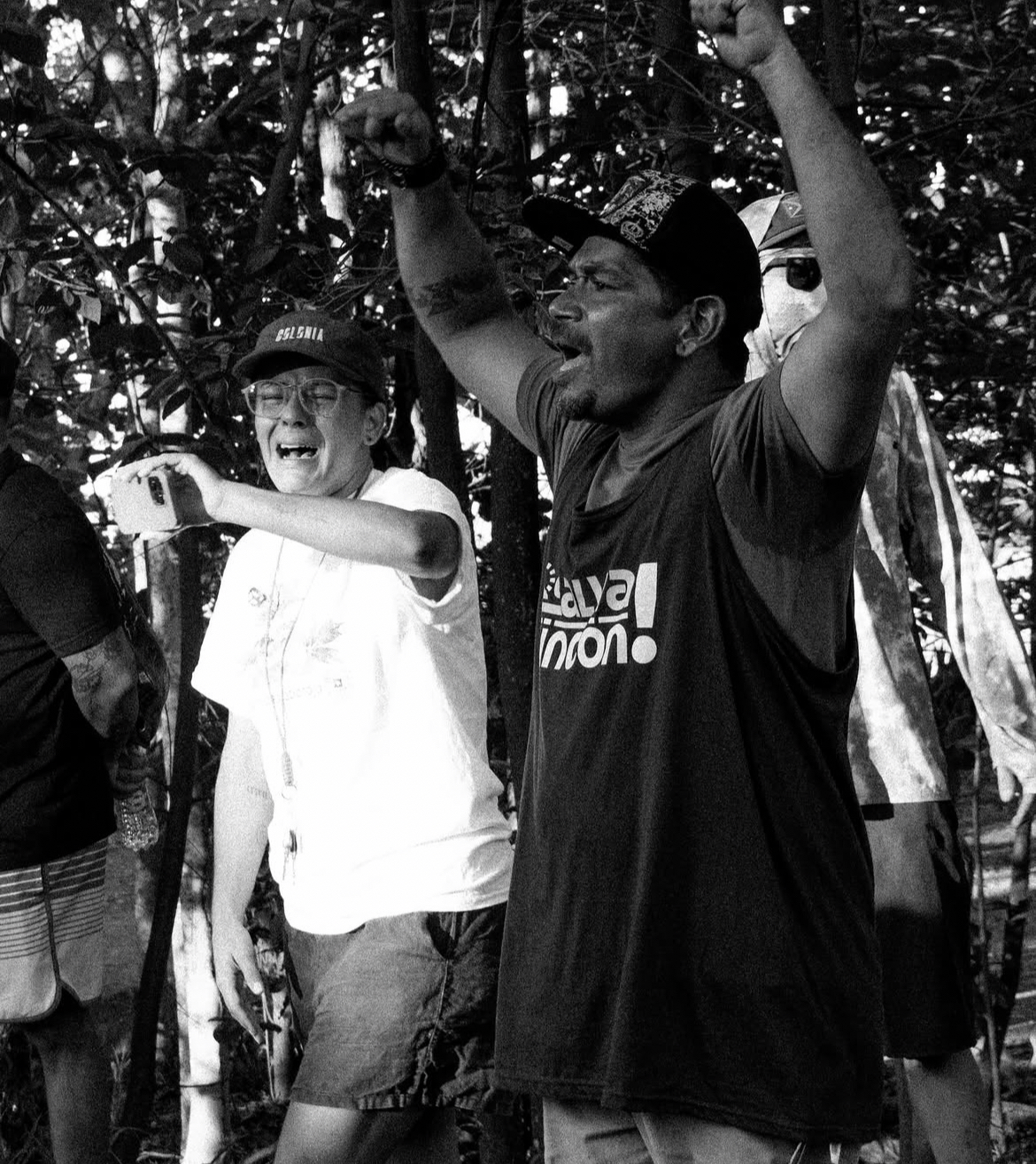

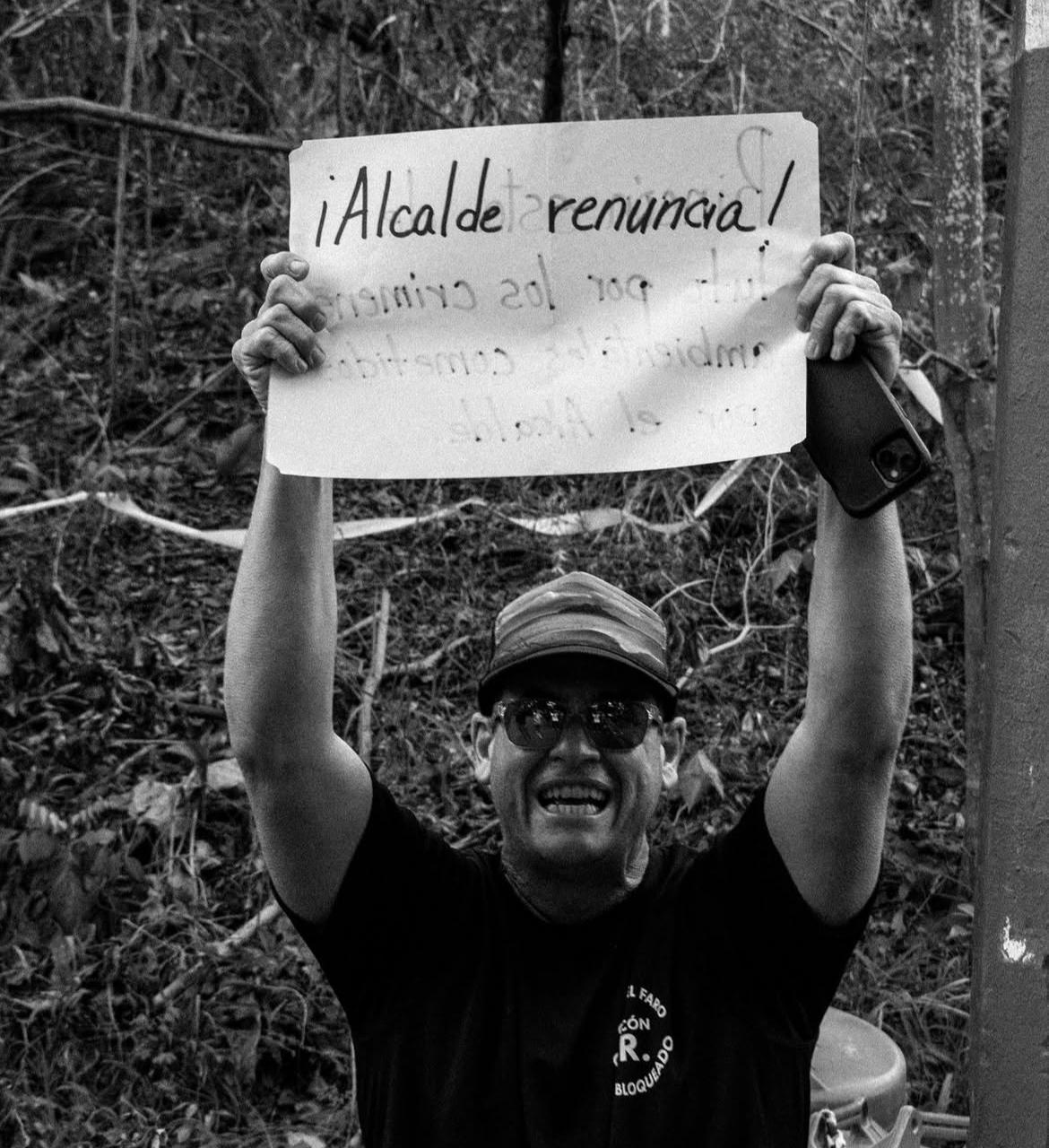
The photos here were taken by a community member, whose name I can not remember because there is also video of me that day sobbing on the nightly news in the middle of the street where machines took down the forest in a sensitive marine zone that prevents flooding. In that moment, I thought about the death necessary to create a book in the author and of the trees that makes the paper we use. I thought of about the many deaths we face when we decide to commit a pen to paper. When machine came to cut down trees that were not in the construction plan for a propose back path and sea wall, the journalist in me died. I was instead on the other side being filmed and studied by folks who watched from their homes. I could not document while also living this experience but in this moment I realized that of all these years it was not the distance journalism allowed me that liberated me, but rather the practice of real/raw journalism that asks the tough questions and bears witness to life’s changes.
I realized, even in front of deforestation how death has liberated me many times and that my next step is to plant a papaya tree in my garden and allow thoughts and ideas to return to the paper to make ways for new seeds and keep the cycle growing.
To read more about your community’s defense of Mother Nature and our relationships in harmony with her, you can visit: https://paseoresponsable.com
Que Vive Puerto Rico Libre! /
Donate Venmo: @cassandra-fradera
 crafting connection through story, sea & design
Leave a comment